How to Extend Transformer Life: Maintenance, Monitoring, Preventive Strategies
Transformers are among the most critical — and expensive — assets in any electrical system. They’re expected to operate reliably for decades, but...
Control Transformer designs high-performance, fully customized magnetic solutions that are tailored to your power, frequency, and environmental needs.
Control Transformer has more than 70 years of experience delivering reliable, custom-engineered magnetic solutions across numerous industries.
3 min read
By: Control Transformer, Inc. on Dec 9, 2025 11:53:55 AM
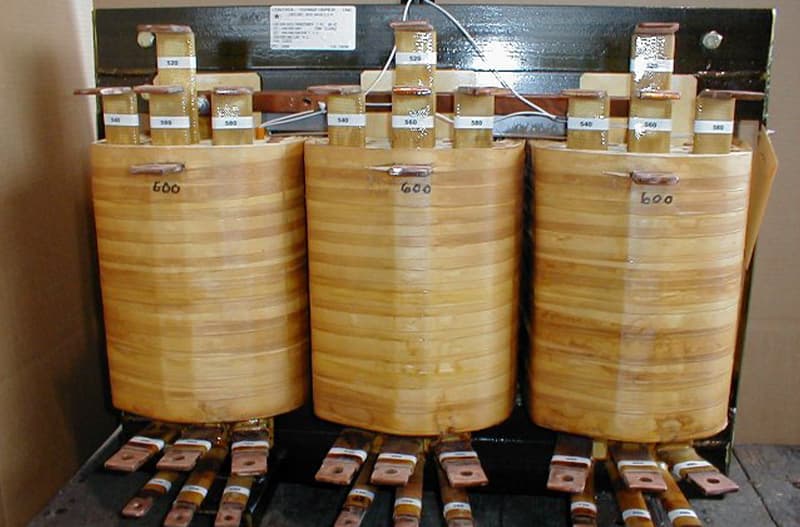
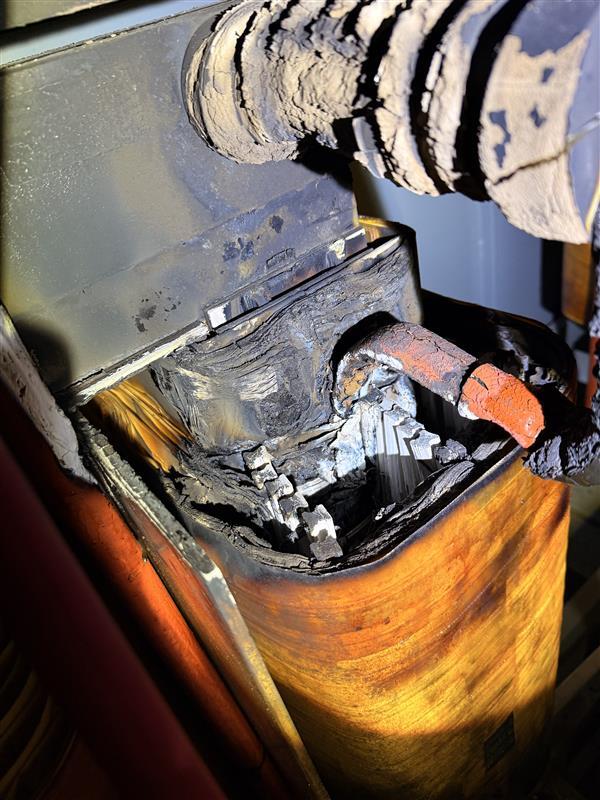
Transformers are among the most critical — and expensive — assets in any electrical system. They’re expected to operate reliably for decades, but that longevity depends on how well they’re cared for. Even the most durable dry-type transformer can experience premature failure without proper maintenance, monitoring, and application-appropriate design.
Aging infrastructure, increasing load demands, and today’s long procurement lead times make lifecycle extension more crucial than ever. When replacement timelines stretch months or more, keeping existing equipment in top condition becomes a key operational priority.
At Control Transformer Inc., we understand that reliability isn’t just about how a transformer is built — it’s about how it’s supported throughout its service life. Through smart preventive strategies and advanced monitoring technologies, operators can extend service life, reduce unplanned downtime, and protect their investment.
Transformers play mission-critical roles across industries — from industrial manufacturing lines to renewable energy installations, commercial buildings, rail systems, and data centers. A failure can trigger:
Extending the life of existing dry-type transformers also supports sustainability by reducing waste and minimizing the environmental footprint associated with manufacturing new equipment.
In short: transformer lifecycle management isn’t just about cutting costs — it’s about operational stability, resilience, and long-term asset value.
Dry-type transformers require different maintenance practices than oil-filled units. Instead of oil testing, the focus is on insulation integrity, thermal performance, cleanliness, and environmental conditions.
Here are the most effective strategies for extending dry-type transformer life:
PD is one of the earliest warning signs of insulation stress or contamination. Because dry-type units rely entirely on solid insulation systems, monitoring PD is essential.
PD may indicate:
Routine PD testing — or continuous online PD monitoring for critical assets — helps operators take corrective measures long before insulation failure occurs.
Heat is the primary aging factor for dry-type transformers. Elevated temperatures accelerate insulation wear and dramatically shorten transformer life.
Thermal imaging can identify:
When paired with temperature sensors or thermal monitoring systems, operators gain real-time insight into how the transformer responds under load.
Because dry-type transformers are air-cooled, dust and airborne contaminants can cause:
Routine cleaning and inspection extend life by ensuring the transformer can cool properly and maintain insulation strength.
Key environmental controls:
For harsh conditions, CTI offers enclosures built for industrial environments.
Routine electrical tests provide insight into insulation condition and mechanical stability.
Important tests include:
These tests help ensure the transformer is structurally and electrically healthy.
Even though dry-type transformers are robust, overloading or poor airflow accelerates aging.
Best practices:
Balanced, well-managed loading contributes significantly to extended transformer life.
Traditional maintenance relies on periodic inspections, which can leave long visibility gaps. Increasingly, operators are adding continuous monitoring to gain real-time insight into transformer health.
Modern dry-type monitoring includes:
Instead of reacting to failures, operators can predict and prevent them — reducing emergency downtime and maintenance costs.
Digital engineering tools, such as modeling and simulation of load behaviors, help teams understand how transformers will respond under various operating conditions.
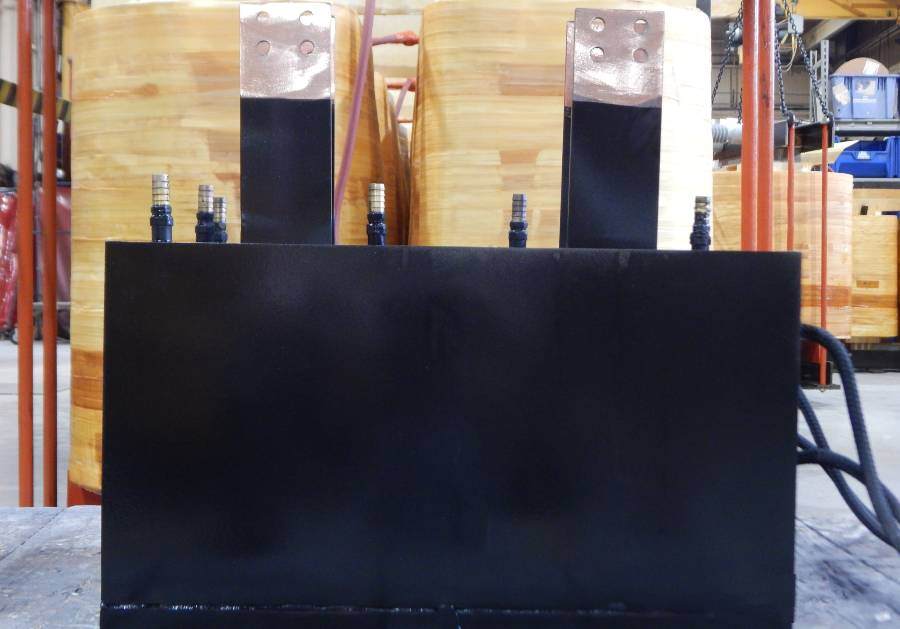
Because CTI manufactures because CTI manufactures custom dry-type and water-cooled transformers, every unit we build is engineered specifically for environments where safety, efficiency, and long-term reliability matter most.
Our lifecycle-focused approach includes:
Each transformer is custom-built for its load profile and operating environment, reducing risks associated with overheating or insulation stress.
CTI assists customers with:
We partner with customers from installation through end-of-life management to help maximize asset value.
Extending the life of a dry-type transformer is about more than maintenance — it’s about operational continuity and long-term performance. Failures are rarely random; they develop over time from conditions that can be detected, monitored, and corrected.
By combining smart preventive maintenance, continuous monitoring, and well-designed equipment engineered for reliability, operators can add years — even decades — to transformer life.
CTI is proud to support that mission with durable, customizable dry-type solutions and the expertise customers need to protect their most valuable electrical assets.
👉 Ready to extend the life of your transformers?
Transformers are among the most critical — and expensive — assets in any electrical system. They’re expected to operate reliably for decades, but...
Transformers, though often out of sight and out of mind, are workhorses in electrical systems. Their lifespan isn’t just a matter of design — how you...
In today’s manufacturing plants, reliable power is non-negotiable. From automated production lines to precision robotics, even minor disruptions in...
Tell us about your magnetics needs. We'll give you an estimate of the resources needed to engineer a product to meet your exact specs, complete with a preliminary design.