How to Integrate Custom Magnetics into OEM Equipment: Engineering Best Practices
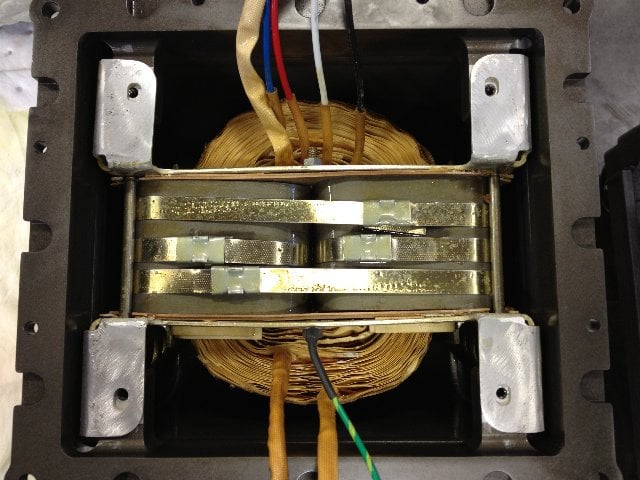
Designing OEM equipment requires balancing electrical performance, mechanical constraints, manufacturing efficiency, and long-term reliability. Every...
Control Transformer designs high-performance, fully customized magnetic solutions that are tailored to your power, frequency, and environmental needs.
Control Transformer has more than 70 years of experience delivering reliable, custom-engineered magnetic solutions across numerous industries.
4 min read
By: Control Transformer, Inc. on Jul 24, 2026 10:58:20 AM
Designing OEM equipment requires balancing electrical performance, mechanical constraints, manufacturing efficiency, and long-term reliability. Every design decision impacts the finished product, including the magnetic components that provide reliable power to critical electrical systems. While standard transformers may satisfy basic electrical requirements, they often require engineers to compromise on space, mounting configurations, voltage requirements, or overall system integration.
Custom transformers and engineered magnetic solutions eliminate many of those compromises by allowing components to be designed specifically for the application. Rather than adapting equipment to fit an off-the-shelf component, OEM engineers can optimize magnetic components for their electrical, mechanical, and environmental requirements—resulting in solutions that improve performance, reliability, and manufacturability.
In this article, we'll explore engineering best practices for integrating custom magnetics into OEM equipment, from early design collaboration and performance optimization to designing for efficient manufacturing and long-term product success.
Every OEM application presents a unique set of design challenges. Before selecting magnetic components, engineers must consider the equipment's electrical requirements, physical constraints, operating environment, and long-term performance expectations. These factors should drive the design—not the availability of a standard transformer.
A custom transformer gives engineers the flexibility to design around the specific needs of the application instead of modifying the equipment to accommodate an off-the-shelf component. Whether the goal is improving efficiency, reducing enclosure space, or meeting unique electrical specifications, a custom solution allows the transformer to become an integrated part of the overall system rather than simply another component.
When evaluating a custom transformer, engineers often consider factors such as:
Designing around these requirements from the beginning often leads to a more efficient and manufacturable product. A transformer engineered specifically for the application can simplify wiring layouts, improve use of available enclosure space, and support a cleaner overall design. Rather than making compromises throughout the project, OEM engineers can optimize both system performance and long-term reliability by integrating custom magnetics early in the design process.
One of the biggest advantages of using custom magnetics is the opportunity to involve your magnetic supplier early in the design process. Waiting until an equipment design is nearly complete to specify a transformer can limit design flexibility and may require engineers to work around existing mechanical or electrical constraints rather than optimizing the system as a whole.
By collaborating early, OEM engineers and magnetic design specialists can evaluate the application's electrical requirements, available space, operating environment, thermal considerations, and manufacturing goals before critical design decisions are finalized. This collaborative approach helps ensure the transformer is engineered to support the overall system—not simply fit within it.
Early engineering collaboration often helps reduce redesigns, improve manufacturability, optimize performance, and shorten development timelines.
Many of the most valuable improvements come from small engineering decisions made during the design phase. Refining lead configurations, selecting the appropriate mounting method, optimizing winding arrangements, or designing for available enclosure space can simplify assembly while maintaining the electrical performance the application requires. Addressing these opportunities early is typically more efficient and cost-effective than making changes after prototypes have been built or production has begun.
Working with an experienced custom transformer manufacturer from the beginning of a project allows engineers to identify potential challenges before they become production issues. The result is a solution that not only meets technical requirements but also supports efficient manufacturing, consistent quality, and long-term product reliability.
A successful custom transformer does more than meet electrical specifications—it contributes to the overall performance, manufacturing efficiency, and reliability of the finished product. Every design decision should support equipment that is easier to build, easier to integrate, and capable of delivering consistent performance throughout its service life.
Electrical performance is only one part of the equation. Mechanical integration, thermal performance, mounting methods, and assembly considerations all influence how effectively a transformer functions within the larger system. Evaluating these factors together helps engineers develop solutions that perform reliably while supporting efficient production.
A well-designed custom transformer should support:
In many applications, value-added solutions—such as custom lead configurations, encapsulation, specialized testing, or unique mounting options—can further simplify system integration and improve manufacturing efficiency.
By considering both engineering performance and production requirements from the beginning, OEMs can develop equipment that is easier to manufacture, easier to service, and built for long-term success.
A successful custom transformer is designed with the entire product lifecycle in mind. While achieving the desired electrical performance is an important milestone, long-term success depends on consistent quality, reliable production, and dependable performance over the life of the equipment.
As OEM products move from prototype to full-scale production, maintaining consistency becomes increasingly important. Material selection, manufacturing processes, quality control, and product testing all contribute to producing transformers that perform the same way from one unit to the next. This level of consistency helps reduce production issues while giving OEMs confidence in the reliability of their finished products.
Designing for long-term success also means considering future production needs. Whether demand increases, product revisions are introduced, or equipment remains in service for many years, a well-designed custom transformer should continue to support the application without unnecessary redesigns or production disruptions.
By considering the complete product lifecycle from the beginning, OEM engineers can develop equipment that not only performs as intended today but continues to deliver reliable performance well into the future.
A successful custom transformer is designed to support the entire lifecycle of an OEM product. While meeting electrical requirements is essential, long-term success also depends on consistent quality, reliable production, and dependable performance as products move from prototype to full-scale manufacturing.
Achieving that level of consistency requires more than selecting the right component—it requires working with an experienced engineering partner. The best custom transformer manufacturers collaborate early in the design process, helping engineers optimize electrical performance, improve manufacturing efficiency, and identify opportunities to simplify integration before production begins.
When evaluating a partner, look for proven engineering expertise, robust testing capabilities, and a commitment to consistent manufacturing quality. A collaborative approach helps ensure custom transformers continue to meet performance expectations while supporting your production goals throughout the life of the product.
At Control Transformer, we work alongside OEM engineers to develop custom transformer solutions tailored to each application's unique requirements. From concept and prototype development through production, our team is committed to delivering reliable magnetic solutions that help customers build better products with confidence.
Ready to discuss your next custom transformer application?
Contact the engineering team at Control Transformer to learn how our custom solutions can support your next OEM design.
Designing OEM equipment requires balancing electrical performance, mechanical constraints, manufacturing efficiency, and long-term reliability. Every...
Transformers are designed for long service life, but operating temperature plays one of the most significant roles in determining how long a...
Transformers are designed to operate reliably for decades, but failures rarely occur without warning. In most cases, transformer failures develop...
Tell us about your magnetics needs. We'll give you an estimate of the resources needed to engineer a product to meet your exact specs, complete with a preliminary design.